Table of Contents
Most business owners don’t realize they’re losing customers long before anyone fills out a form or calls their office. It happens silently—every time a prospect lands on their outdated, slow, or confusing website and immediately clicks away. In 2025, your website is no longer a digital brochure. It’s the single most influential factor shaping whether a customer trusts you, chooses you, and buys from you.
This is the wake-up moment: if your website isn’t built for speed, clarity, and conversion—your competitors are quietly taking the business meant for you. A professionally designed website doesn’t just “look better.” It removes friction, builds trust instantly, and turns passive visitors into active buyers. Once business owners see the transformation in performance, the real question becomes: “Why didn’t I do this sooner?”
Why Website Experience Directly Impacts Revenue
Your prospects decide if they trust you within seconds. Before they read your content, before they learn what you offer – they make a snap judgment based on how your website feels. And that feeling determines whether they stay or leave.
When your website loads slowly or feels outdated, the internal urgency kicks in for the prospect – not for you. They feel the risk of wasting their time. So they leave. A modern, professional website reverses that psychological trigger. Instead of an “I should go,” your user experiences an immediate sense of safety, clarity, and confidence.
The right design keeps them moving forward, exploring more pages, and building emotional commitment. Each friction-free moment increases the desire to learn more – to see what else your brand can offer. This desire compounds, making conversion feel natural instead of forced.
When users enjoy their experience, they also remember it. They return more often, and returning visitors convert at significantly higher rates. Better UX doesn’t just improve conversions – it reduces marketing waste and amplifies every dollar spent on traffic.
How SEO-Driven Design Enhances Long-Term Visibility
Most business owners think SEO is about keywords. In reality, SEO is about trust. Google prioritizes websites that behave like real businesses serving real people with real value. A professionally designed website signals all three.
When your site structure is clean and your pages load instantly, Google reads that as a sign of credibility. When your content is organized and your navigation makes sense, Google trusts it even more. This means your pages get crawled more effectively, indexed more accurately, and ranked more competitively.
This is where curiosity and desire come into play. When your site appears at the top of search results, prospects feel like they “discovered” you. That sense of discovery creates emotional momentum – they want to click, they want to explore, and they want to see why others chose you.
Technical SEO elements like schema markup, optimized metadata, ADA compliance, and structured content make your site not only visible but valuable in the eyes of search engines. Over time, this reduces your reliance on paid ads and builds authority that competitors simply can’t buy.
Conversion Optimization: Turning Visitors Into Buyers Instantly
This is the part most business owners underestimate: your website can double or triple your conversions without increasing traffic at all.
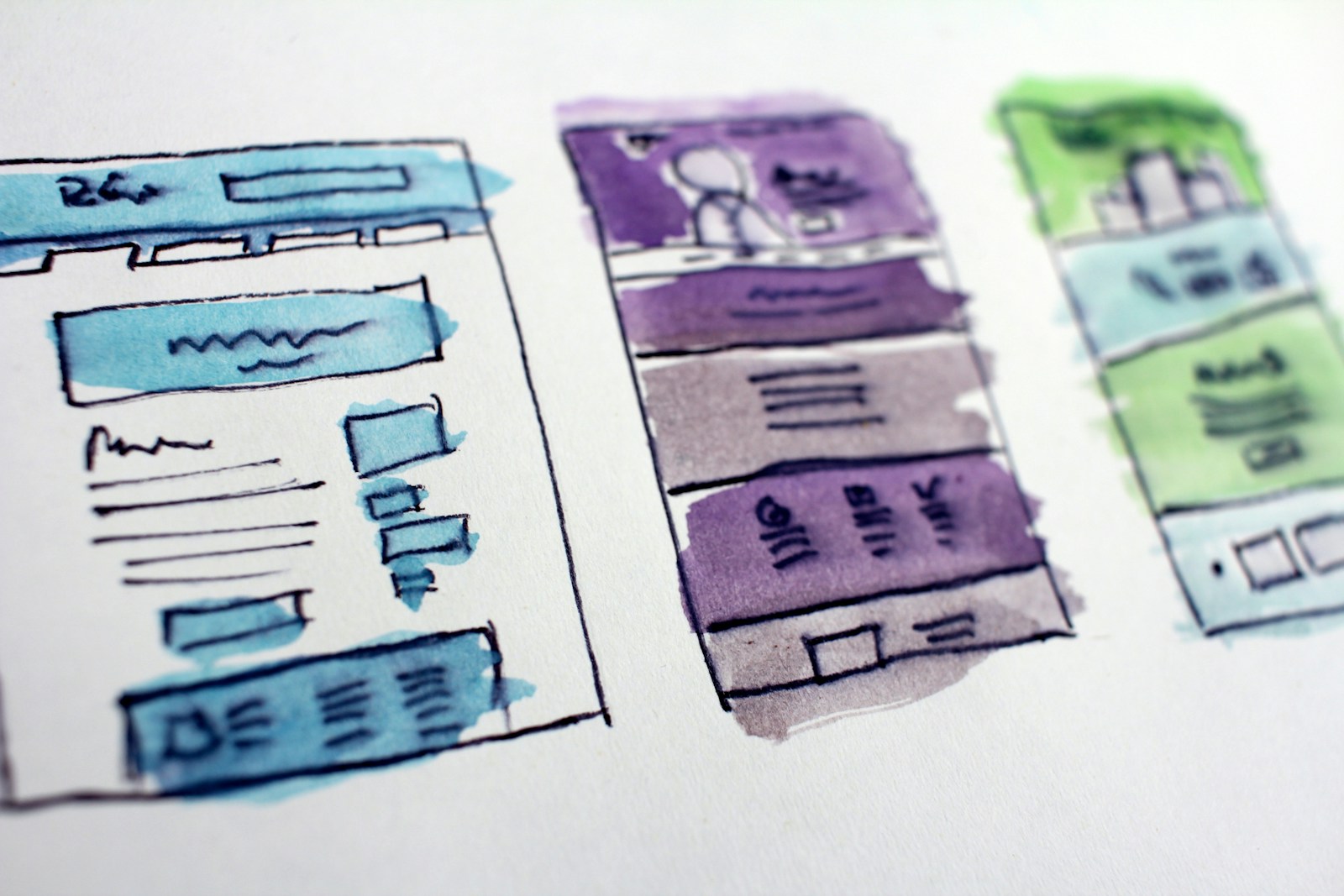
Strategic website design uses psychological triggers intentionally – placement, color, spacing, and messaging all guide the user’s brain toward a “yes.” And because your prospect is already on your website, they’re already warm. They arrived curious. A high-performing design makes them desire the next step.
Every professional decision – how your headline reads, where your call-to-action sits, how your offer is positioned – reduces hesitation and builds forward momentum. This taps into internal urgency. Instead of thinking, “Maybe later,” your user begins thinking:
“If I don’t act now, I might miss out.”
Why Trust Elements Matter for the Future
Prospects are not only evaluating what you say—they’re evaluating whether they believe you. Trust signals like testimonials, certifications, guarantees, and clear service explanations instantly reduce risk.
ADA compliance also plays a role in trust. Accessible websites expand your audience, reduce legal vulnerability, and demonstrate professionalism. For authoritative guidelines on accessibility requirements, businesses can reference resources available on ADA.gov
How Content Quality Supports Conversion
Google’s E-E-A-T framework rewards businesses that demonstrate real expertise and real experience. But customers reward you even more. When your content solves real problems, explains things clearly, and shows them what to do next, it activates the desire to work with someone who gets it.
A well-designed, content-rich website makes prospects think: “This is the company that understands my needs the most.” And once they feel understood, buying becomes the logical next step.
Future-Proofing Your Business With Strategic Website Design
Technology changes fast, but buyer psychology doesn’t. People want what feels safe, simple, and instantly rewarding. A professionally designed website aligned with these triggers will outperform outdated sites every single time.
Modern design also prepares your business for what comes next. Integrations with analytics, CRM tools, and tracking let you measure what’s working – and fix what isn’t – before it costs you money. The businesses winning in 2025 are the ones upgrading now, not later.
Here’s the wake-up call: your website is either a revenue engine or a revenue leak. Every month you wait is a month new customers slip away.
FAQ
How quickly can a modern website improve conversions?
Is website speed really affecting my bottom line?
What makes a website feel "credible" to buyers?
How does professional design reduce marketing costs?
How do I know if it’s time for a redesign?