Table of Contents
Most business owners hear the term user experience and assume it refers to how their website looks. In reality, UX is about how your website makes people feel – and those feelings determine whether they trust you, engage with you, or buy from you. In 2025, UX is no longer optional or aesthetic. It is a primary revenue driver.
Here’s the wake-up moment: your website already has a user experience – good or bad – and it’s influencing every visitor’s buying decision in real time. If your UX is outdated, confusing, slow, or cluttered, you are losing opportunities long before you ever know those visitors existed. Modern UX design stops that leak instantly.
Why UX Is Now the Most Important Conversion Factor
In today’s digital environment, attention spans are shorter, expectations are higher, and patience is almost nonexistent. A visitor decides within seconds if they trust your website enough to stay. That initial moment is emotional, not logical.
Good UX activates desire. It makes users feel safe, understood, and guided—like your business “gets them” better than the others. Poor UX activates urgency, but the wrong kind: “leave now before this wastes your time.”
This is where internal urgency works in your favor. A high-performing UX makes visitors feel like it benefits them to keep going, explore more, and act now. A low-performing UX makes them feel like waiting—or leaving—is the safer choice.
In 2025, UX is not about features. It’s about psychology, trust, and emotional movement. The websites winning this year are the ones intentionally designed to reduce friction and increase confidence.
UX Trends That Directly Improve Conversions
These aren’t design fads—they are UX evolutions shaped by buyer psychology, search behavior, and accessibility standards. Each trend meets the user’s emotional needs while guiding them toward action.
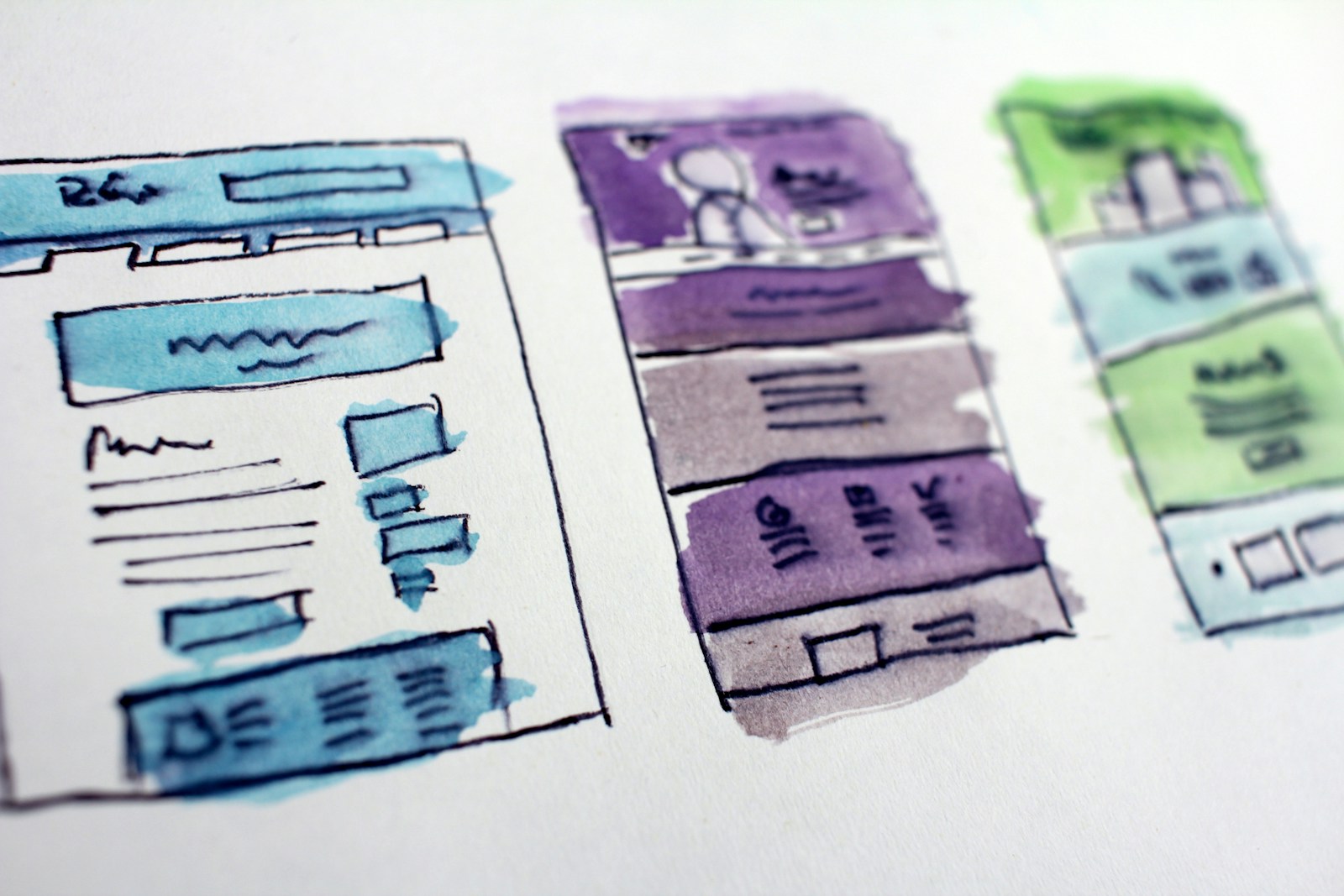
1. Minimalist, Friction-Free Navigation
Users don’t want to “figure out” your website. They want clarity. They want simplicity. They want to feel confident they’re in the right place. In 2025, the strongest-performing sites remove unnecessary choices and unnecessary noise.
Navigation now follows the “less but clearer” model:
5–6 menu items max
Predictable labeling
Fewer dropdown layers
Clear call-to-action placement
This helps visitors move faster and feel more in control—two key emotional motivators.
2. Faster, Smoother Website Interactions
Load speed is not a tech issue—it’s a trust issue. Users perceive slow websites as unsafe, outdated, or unprofessional. Studies show even a one-second delay can reduce conversions dramatically.
In 2025, fast-loading pages, optimized visuals, and clean code are essential. Instant responsiveness triggers curiosity: “This feels good. What else can they offer?”
3. Personalized Pathways That Guide Users Instantly
Modern websites no longer rely on a one-size-fits-all homepage. Instead, they create segmented pathways that speak directly to each type of customer.
Examples:
“New here? Start with this.”
“Looking for services? Go here.”
“Ready to take action? Book now.”
When visitors feel understood, they move deeper into the site. This emotional connection increases time on page and conversion likelihood.
4. Authentic Social Proof and Trust Signals
2025 UX prioritizes transparency. Visitors want proof, not claims.
High-impact trust elements include:
Real client reviews
Case studies
Before-and-after visuals
Certifications
Clear service guarantees
These reduce risk and activate desire: “This is the business people trust. I want the same experience.”
5. Accessibility as a Brand Expectation
Accessibility is no longer a nice-to-have—it’s a trust requirement. ADA compliance improves usability for everyone and signals professionalism.
Authoritative guidance on accessibility requirements can be found on ADA.gov, which provides businesses with standards and best practices.
Businesses that ignore accessibility not only risk legal issues—they risk losing customers who expect inclusive design.
Why These UX Trends Matter More Than Ever
Your competitors are upgrading their UX. Search engines reward websites that deliver strong experiences. And customers abandon websites that feel outdated or difficult.
But the deeper truth is psychological: people don’t buy from websites—they buy from experiences. Experiences that:
Make them feel confident
Remove uncertainty
Validate their decision
Guide them with clarity
When your UX aligns with how people naturally behave and make decisions, conversions rise—even without increasing traffic.
Good UX Eliminates Hidden Revenue Leaks
Every bounce is a lost lead. Every confusing moment is a lost opportunity. Every slow page is a lost sale.
These leaks compound daily, often unnoticed. Modern UX stops them by removing friction at every step.
Good UX Creates Emotional Momentum
Momentum keeps users moving. Movement increases commitment. Commitment increases conversion.
A well-executed UX doesn’t just look modern—it feels modern. That feeling triggers desire: “I want to keep going. I want what this business offers.”
How to Begin Improving Your UX Today
You don’t need a full redesign to improve UX—just strategic action.
1. Simplify your navigation
Make it impossible for visitors to get lost.
2. Speed up your website
Compress images, remove bulky plugins, and optimize hosting.
3. Add stronger trust elements
Social proof increases conversions instantly.
4. Add clear CTAs on every page
People won’t act if you don’t tell them how.
5. Review your site’s accessibility
Use ADA guidelines to ensure an inclusive user experience.
Each improvement triggers a measurable change in user emotion and behavior.
FAQ
How quickly can UX improvements increase conversions?
Do I need a full redesign to improve UX?
How does UX impact SEO?
What is the biggest UX mistake businesses make?
How do I know if my UX is outdated?
For authoritative guidance on web performance and SEO, see the Google Search Central documentation from Google Developers.
Brands investing $3K–$5K per month in SEO aren’t buying traffic — they’re building visibility engines. When you serve this tier of client, your SEO agency must become an extension of their growth team.
If you’re ready to grow beyond templates and traffic spikes, it’s time to align with an agency that understands scale.
Ready to see what strategic SEO can do for your business? Book a Strategy Session today.